Can Asbestos Mesothelioma Cancer Ever Rule The World?


Mesothelioma Cancer
Mesothelioma which is a cancerous tumor caused by asbestos exposure, is a serious condition. Inhaling asbestos fibers can cause pleural cancer, and swallowing asbestos can cause cancer of the peritoneal region.
These symptoms can be a sign of less serious diseases and can take anywhere from 10 to 50 years to show. Symptoms include breathlessness, abdominal pain, and chest pain.
Risk Factors
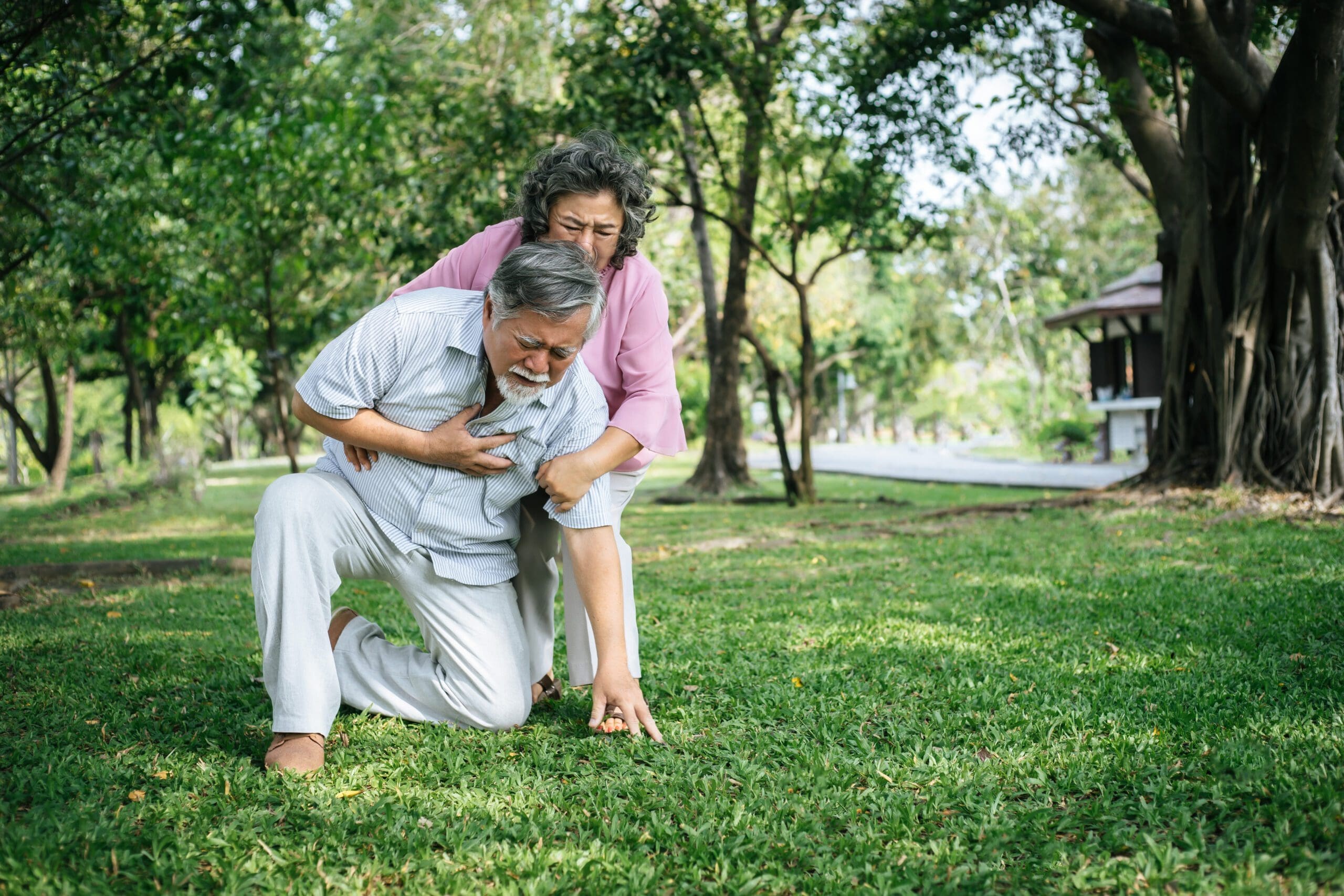
Mesothelioma occurs when asbestos fibers are introduced into the body. Pleural mesothelioma forms in the linings of the chest cavity or lungs. Mesothelioma can also form in the peritoneum (the membrane surrounding the heart) or in the pericardium. The cancer can take up to 50 years to develop before it manifests symptoms. These symptoms are often mistaken for flu like illnesses. Mesothelioma is more common in older people and is more prevalent in males than females.
Asbestos exposure is the biggest risk factor for mesothelioma. Asbestos is a naturally occurring mineral composed of tiny fibres that were used in construction materials, like ceilings and walls because of its resistance to heat and fire. It was also used extensively in the manufacturing of goods like pipes, insulations, shingles, and cement. People who worked in industries where asbestos was a common ingredient, such as construction, mining or shipbuilding are at a high risk of developing mesothelioma. However, even those who only had secondary exposure such as relatives who brought home asbestos-contaminated clothing and skin, are also at risk.
A small proportion (less than 5%) of mesothelioma is linked to a mutation in the gene BAP1. This genetic change increases the risk of developing mesothelioma among those who have been exposed to asbestos.
Age is another significant risk factor for mesothelioma. Mesothelioma typically affects those over 45 and two-thirds of those diagnosed are 65 or older. This is due to the lengthy duration of exposure to asbestos. However it is also possible that older people are more likely to develop the disease because of the prolonged exposure to asbestos.
White males are more likely develop mesothelioma than any other race or gender. This is due to the fact that historically more white males worked in jobs which put them at greater risk of exposure to asbestos than other groups. Additionally, mesothelioma is usually seen in people who were exposed to asbestos prior to when better regulations were put in place in the 1980s.
Symptoms
Mesothelioma is an asbestos-related tumor that forms in the protective linings of several body organs. The cancerous tumors that form in the tissue could damage them and cause severe pain. The malignancy may be spread to other parts of the body via the bloodstream or lymphatic system.
Mesothelioma symptoms are similar to those of other diseases, such as pneumonia or the flu. They can take up to 50 years after exposure to asbestos before showing symptoms. The latency period can make it difficult to identify the disease early, and symptoms could be misinterpreted as signs of other diseases.
The majority of malignant tumors originate in the chest cavity or lungs (pleura). However, mesothelioma may also develop in the tissues surrounding the abdomen and the heart. In rare cases, the disease can even affect the lining of the testes or the sac that surrounds the heart (pericardium).
Asbestos is made up of a grouping of minerals which form long, thin fibres. The fibers are so strong that they cannot be broken down by chemical and water, or by bacteria. These materials were widely used in a variety of construction and household products before scientists realized the dangers they posed to the lives of people.
Most mesothelioma cases were caused by exposure to asbestos either at work or home. The majority of patients who were exposed were employed by the US Navy or Air Force, Shipbuilding Industry, or Construction. Men are more likely to develop mesothelioma than women. Veterans make up about 30 percent of all cases.
When mesothelioma is diagnosed doctors can spot it with imaging scans and medical tests. These include X-rays CT scans, MRIs and PET scans. The doctor can also collect a sample of the tissue and send it to a laboratory for testing.
The results will allow doctors to determine the type of mesothelioma and stage of the disease, which influences prognosis and treatment options. The majority of mesothelioma forms are epithelioid and sarcomatoid. Between 10 percent and 15 percent of cases are biphasic, or mixed. Epithelioid mesothelioma is generally less aggressive and has the best survival rates. Sarcomatoid mesothelioma has a poorer prognosis and is more difficult to treat.
Diagnosis
Mesothelioma is difficult to diagnose particularly in its early stages. The first step is for patients to visit their primary physician with any symptoms, like chest pains or coughing. The doctor will listen to the patient's breathing through the stethoscope and document their medical history and work. This includes any previous asbestos exposure, which is crucial to determine if mesothelioma is present.
Because mesothelioma's symptoms are similar to those of other illnesses, doctors must rule out other conditions before concluding the diagnosis. Cancer can spread to the lung of a patient from other organs like the abdomen or chest. Asbestos sufferers are at risk of lung problems, including mesothelioma and pneumonia. symptoms may be confused with other respiratory illnesses.
Tests for blood, imaging and biopsy are all used to diagnose mesothelioma. Costa Mesa asbestos lawsuits aid doctors in locating the location of the cancer, which is most often found in the lungs, but can also be in the stomach or the testicles. The tests will also help doctors determine the extent of the cancer is spreading in the body.
A CT scan or MRI can reveal mesothelioma signs including calcium deposits in the pleura (known as plaque) and a buildup of fluid between the chest wall and the lungs. These tests can also reveal whether a person's lungs are more prominent on one side than on the other.
In many cases biopsy is necessary to confirm the diagnosis of mesothelioma. This procedure involves taking the tissue in a small amount and analyzing it in the laboratory for mesothelioma cells.
Some patients might require additional tests, such as FDG-positron emissions tomography (PET), allowing doctors to examine the lymph nodes located in the middle of the chest and take samples of them, or endobronchial ultrasound (EBUS) which uses sound waves to look at the lungs and the mesothelium. Mesothelioma is a rare form of cancer, is currently being treated by medical professionals. Patients who have been diagnosed with cancer need to carefully weigh their options to determine the best treatment option for them.
Treatment
Mesothelioma can affect the lung's lining (pleural mesothelioma) or the abdomen (peritoneal mesothelioma) or heart (pericardial mesothelioma). The symptoms generally don't appear until several years after exposure to asbestos. It is crucial that those who have been exposed to asbestos get checked for any strange symptoms.
A doctor will conduct a medical history to check for mesothelioma-related risk factors, including the length of time and intensity an individual was exposed to asbestos. A doctor will also perform an examination to determine mesothelioma signs, such as fluid accumulation in the chest cavity. Mesothelioma is classified by the kind of cells that develop in the mesothelium as well as the location of those cells. Epithelioid-like mesothelioma comprises 60 to 80% of mesothelioma. Other types of mesothelioma include biphasic and sarcomatoid mesothelioma that account for 10% to 15% of mesothelioma cases.
There are a variety of treatments available to people suffering from mesothelioma. The treatment option is dependent on the type and stage of mesothelioma.
In certain cases, mesothelioma is treatable through radiation or chemotherapy. In these treatments, doctors employ powerful cancer-fighting medications or special equipment to destroy tumors. This decreases the likelihood of mesothelioma returning.
Other types of mesothelioma may be treated through surgery which involves the removal of parts of the lining of the affected organ. This can also relieve symptoms such as breathing difficulties.
If a person has mesothelioma of the pleura, their doctor may perform the procedure known as VATS, that involves the use of a camera into the lungs in order to remove part of the pleura and lung. This procedure can help improve the breathlessness that is caused by the accumulation of fluid in the lungs, but does not cure the condition.
Other options for treatment include support or pain management. It is essential for patients with mesothelioma to get as much information as they can about the disease and ways to manage it. The more they know the more equipped they are to plan for the best possible and happy future.